
The psychological rollercoaster understanding the mental impacts of gambling
The allure of gambling: Why people are drawn in
The thrill of gambling often stems from its promise of excitement and the potential for financial gain. Many individuals are attracted to the idea of winning big, which can lead to a euphoric rush. This psychological phenomenon is rooted in the brain’s reward system, where the anticipation of winning releases dopamine, a neurotransmitter linked to pleasure and motivation. Such experiences can create a cycle of craving, making it hard for gamblers to resist the allure of their next bet, especially when they consider the vibrant atmosphere that many casinos boast, like mr win 9.

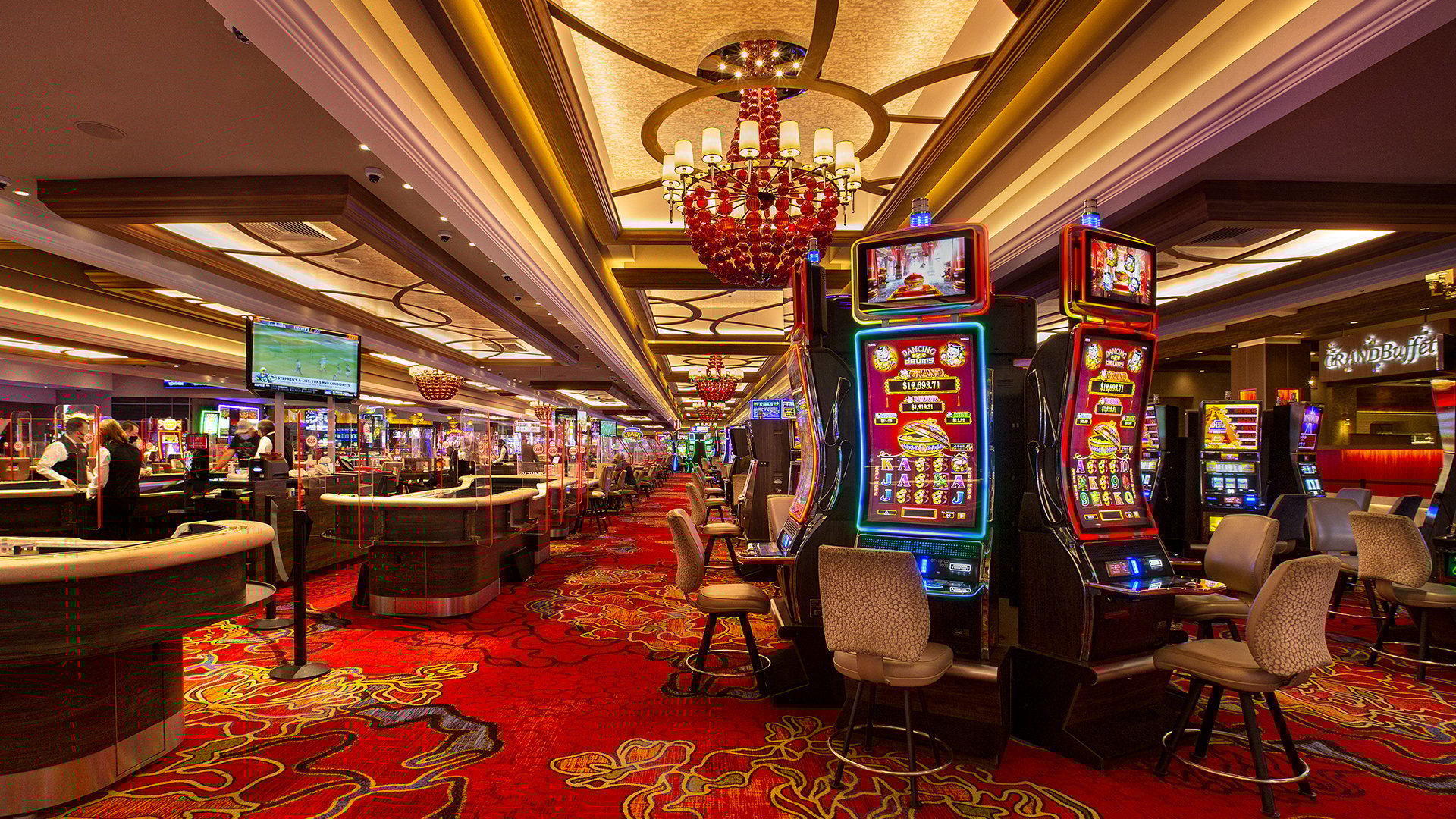
Moreover, the environment in which gambling takes place can amplify these feelings. Bright lights, sounds of machines, and a celebratory atmosphere in casinos foster an exhilarating experience that can enhance the thrill of playing. This sensory overload is designed to keep players engaged, often leading them to lose track of time and money spent. The combination of these psychological factors creates a perfect storm, drawing people deeper into gambling.
Additionally, social aspects play a crucial role in the allure of gambling. For many, it serves as a social activity, offering opportunities to bond with friends or meet new people. This communal experience can create a sense of belonging and excitement, further encouraging participation. As individuals seek connection and engagement, the gamble turns from a mere activity into an integral part of their social lives, reinforcing the cycle of gambling behaviors.
The psychological impacts of winning and losing
The emotional highs and lows associated with gambling can significantly affect mental health. Winning can lead to feelings of euphoria and invincibility, boosting self-esteem and reinforcing the desire to keep playing. This sense of achievement often clouds judgment, making gamblers more likely to risk their winnings in hopes of even greater gains. The need for continuous excitement can create a dangerous mindset, where the quest for an elusive win overshadows the risks involved.
On the flip side, losing can bring about feelings of despair and hopelessness. Many individuals experience anxiety, depression, or a sense of guilt after significant losses, which can affect their overall well-being. The financial strain caused by gambling can lead to various personal problems, including strained relationships and increased stress. These emotional impacts create a vicious cycle, as gamblers may return to gambling as a coping mechanism, hoping to win back their losses and alleviate negative feelings.
These psychological ramifications often lead to a distorted view of gambling. Many players convince themselves that they can outsmart the odds or develop strategies to win consistently. This phenomenon, known as cognitive distortion, can lead to problem gambling, where individuals ignore clear signs of financial or emotional distress. Understanding these mental impacts is crucial in addressing gambling-related issues and seeking help when necessary.
Addiction and its effects on mental health
The potential for gambling addiction is a significant concern, as it can have profound effects on mental health. Compulsive gambling can lead to addiction, where individuals feel a compulsive need to gamble despite the detrimental consequences. The psychological dependence on gambling can mirror substance abuse disorders, characterized by cravings, tolerance, and withdrawal symptoms when not gambling. This addiction can escalate to a point where it consumes the individual’s life, impacting their job, relationships, and overall happiness.
Additionally, gambling addiction can often coexist with other mental health issues, such as anxiety disorders, depression, and substance abuse. The chaotic lifestyle and financial instability associated with gambling can exacerbate these conditions, leading to further emotional turmoil. For many, the shame of their gambling behavior prevents them from seeking help, creating a dangerous cycle that is hard to break. This intertwining of gambling addiction and mental health highlights the need for comprehensive treatment approaches.
Therapeutic interventions, including cognitive-behavioral therapy and support groups, can effectively address gambling addiction. These approaches encourage individuals to explore the underlying reasons for their gambling behaviors and develop healthier coping mechanisms. By fostering awareness and providing support, individuals can work towards breaking free from the grips of addiction and rebuilding their lives, emphasizing the importance of understanding the mental impacts of gambling.
The role of environment and design in gambling experiences
The design and atmosphere of gambling establishments play a crucial role in shaping the psychological experiences of gamblers. Casinos are often constructed to create an immersive experience, where everything from lighting to sound is carefully curated to enhance excitement. The use of bright colors and sounds is intended to keep players engaged and oblivious to the time spent and money lost. This strategic design contributes to the adrenaline rush that gamblers often feel.
Moreover, the accessibility of online gambling platforms has transformed the landscape, allowing individuals to gamble from the comfort of their homes. This convenience can lead to increased gambling activity, as individuals may find it challenging to set boundaries without the physical presence of a casino environment. The psychological effects of this shift can be profound, as the separation between leisure and gambling becomes blurred, making it easier for individuals to develop unhealthy habits.
Understanding the impact of environment and design on gambling behavior can help inform better practices in the industry. By emphasizing responsible gambling and creating environments that encourage moderation, operators can support healthier gambling habits. This includes promoting awareness of the psychological risks associated with gambling and providing resources for individuals struggling with their habits.
MrWin9 Casino: A responsible gaming environment
MrWin9 Casino stands out in the online gaming world by prioritizing player safety and responsible gaming. Established in 2021 and licensed in Curacao, this platform offers a secure environment for players while emphasizing the importance of mental well-being. With a wide range of games and features, MrWin9 strives to create an enjoyable gaming experience that considers the psychological impacts of gambling.
The casino’s commitment to responsible gaming is evident through its various support features, including self-exclusion options and tools to help players set limits on their gambling activities. These initiatives aim to empower players to make informed choices and minimize the risk of developing gambling-related issues. By promoting a culture of awareness, MrWin9 Casino plays a vital role in addressing the mental impacts of gambling.
In conclusion, understanding the psychological rollercoaster of gambling is essential for both players and operators. By acknowledging the mental impacts, fostering responsible gaming practices, and providing support, platforms like MrWin9 Casino can help create a healthier gaming environment that allows players to enjoy their experience while safeguarding their mental health. As the conversation around gambling continues to evolve, it becomes increasingly important to prioritize the well-being of players in this thrilling yet complex world.
